California Farmworkers March to Urge Governor Newsom to Sign Voting Rights Bill
California legislators have agreed. Fifty signed on as sponsors of AB 2183, the Agricultural Labor Relations Voting Choice Act, authored by Assemblymember Mark Stone (D- Santa Cruz). It passed the State Assembly on May 25 by a wide margin, and was sent to the Senate floor on August 11, where its passage is virtually certain.
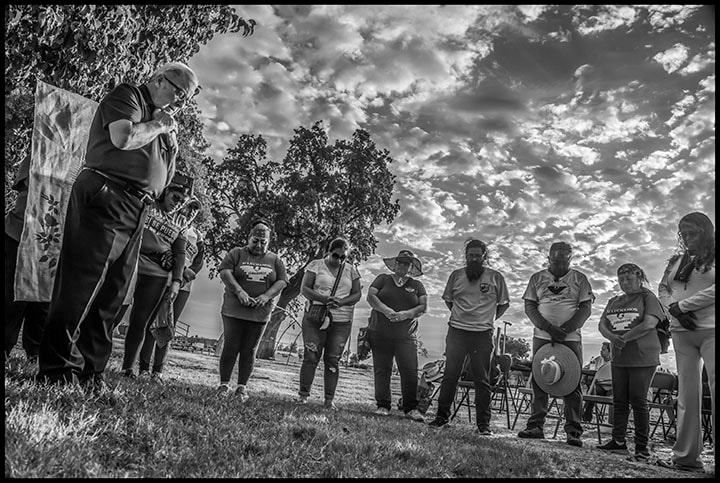
Newsom, however, has not made a commitment to sign it. A march to gain the governor's signature began in Delano on August 3. Twenty-six people made a commitment to walk for 24 days up the San Joaquin Valley, all the way to Newsom's Sacramento office. Each day marchers and supporters cover between 9 and 18 miles. UFW Secretary Treasurer Armando Elenes even counts the steps in a program on his cellphone. On the fifth day it recorded 14,000 paces.
In August, the heat in the San Joaquin Valley is intense. "As we're walking in temperatures over 100 degrees," says UFW President Teresa Romero, "I look to my right and I see farmworkers working. That's what they do every day, day in and day out. They can't do what we just did. When we get tired we can take a 10-minute break whenever we feel like it."
Newsom vetoed a similar bill last year. His rejection of the legislative mandate came after the union had campaigned for him in his successful effort to defeat a recall.
Last year, when Romero asked to meet with Newsom to discuss the voting proposal, he refused. In fact, he vetoed that bill the day after a similar march began, asking him to sign it. The union was so outraged it then marched from the swanky French Laundry restaurant in Napa Valley wine country, where Newsom had held a controversial fundraiser, to his PlumpJack vineyard.
Once again, "we're at the last step, which is his signature," Romero said. "We're trying to paint a picture for him of what farmworkers go through - the intimidation, the threats, losing their jobs. We asked one worker to make a video about it, and she said, 'No, I can't. If my employer sees it he'll fire me.' We're trying to relay that to the governor."
Lourdes Cardenas described how one grower created that fear. "When I was working in the peaches once, some friends came to work with union leaflets," she remembers. She helped hand them out. "My foreman said, 'There's no more work for you.' I never was able to work with him again. He wanted to scare the other people in the crew by what he did to me."
Paul Rowe